I grew a beer subscription
If you're winning customers and losing them just as fast, the money is at the bottom of the funnel and not the top. Work out why people leave. Then why they don't come back. Then go and buy more of them. Going back up step by step is the cheapest way to do it, and it's the order almost nobody does it in.
Otherwise you're just putting loads of water into a leaky bucket from the top and watching it all leak out.
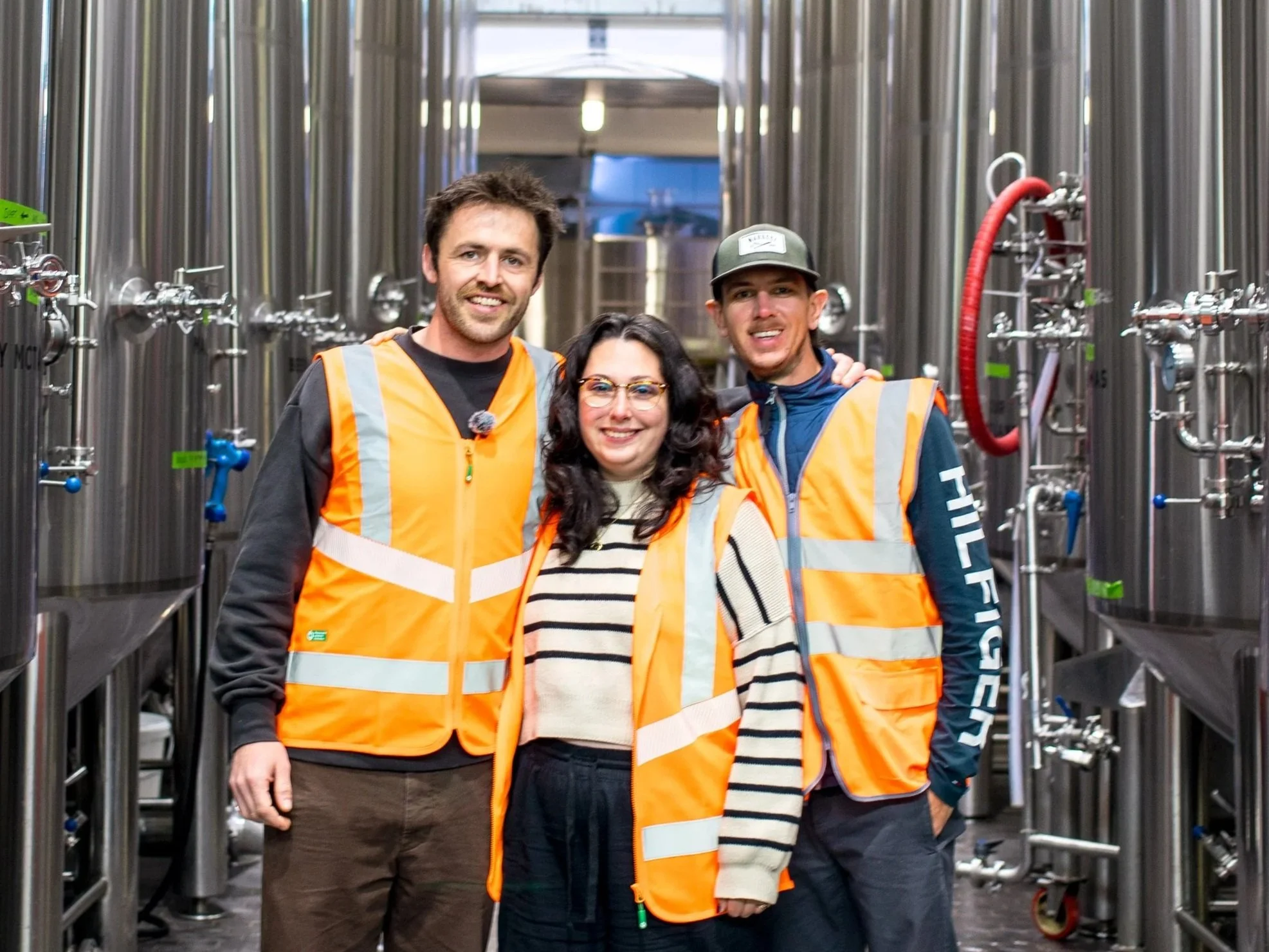
I ran marketing at Brewser, a craft beer subscription box. Small team, a lot of ground to cover, and a brand that had done really well appealing to the big beer geek and now wanted to be more approachable.
How do you make something niche feel approachable?
That question has run through my last three roles and it turns up in different clothes every time.
At Brewser it meant what it meant everywhere else. Keep the people who already love it, because they're the ones who care most. And take out the bit where somebody new has to work out whether they're allowed in.
None of that is a tone-of-voice exercise. It shows up in what you put in front of people, what you assume they already know, and how much effort it takes them to buy the first thing.
What do you do when the website is the problem?
You rebuild it.
Ours didn't work, and it frustrated me that much I built a new one in four days. It had a huge impact.
That isn't a brag about speed. The thing standing between the business and its money was fixable in a week, and it had sat there because it belonged to nobody. Websites end up like that all the time in small teams. Everyone can see it, nobody owns it, and it quietly costs you customers every day it stays broken.
How does a small team get more done without hiring?
Strategy and process, which is the least glamorous answer available.
Having a brand strategy and a marketing strategy, then refining the marketing ops behind them, meant a small team could do so much more with the same resource. Everyone knew what we were doing and why, so decisions stopped going round the houses and the same arguments stopped being had twice.
Then you automate the things that should never need a person. I launched a loyalty scheme and set up automated email flows, so retention and churn were being worked on all the time. Not on autopilot exactly, but kind of on autopilot. It was ongoing work and all of it was informed by the strategy. Nothing ran because somebody had an idea that week.
What do you sell when the products aren't yours?
The makers.
A subscription business gets far fewer chances to meet somebody in real life than a taproom does, so the touchpoints you do have need to work harder. Inserts in the boxes. Content that was about the breweries rather than just about us, telling you this beer is good.
Get customers into the stories of those makers and they end up more emotionally tied to them, and to you. That's a long-term play. It's also what sustainable commercial growth looks like from the inside, and it's the opposite of the discount treadmill most subscription businesses end up on.
How do you work out which customers are worth having?
You look at them in cohorts.
I ran cohort analysis and tested into what it showed me, because the customers who look best on the day you win them aren't always the ones still around later. Deal hunters are cheap to get and expensive to keep, and a business that fills up with them has bought itself a problem rather than a customer base.
The point of all that testing was to find what would work for the business long term, in the shape it was actually in. I launched an introductory offer, which is the front door to the whole thing.
So where should you start?
At the bottom.
Look properly at the people you've already got before you spend anything finding new ones. It's cheaper, it's faster, and it tells you what to say when you do go looking. That's how I work. It's how good strategy works.
If your marketing is all top of funnel and you can't work out why none of it compounds, get in touch and we'll go and find the hole.