I brought a tech company into real life
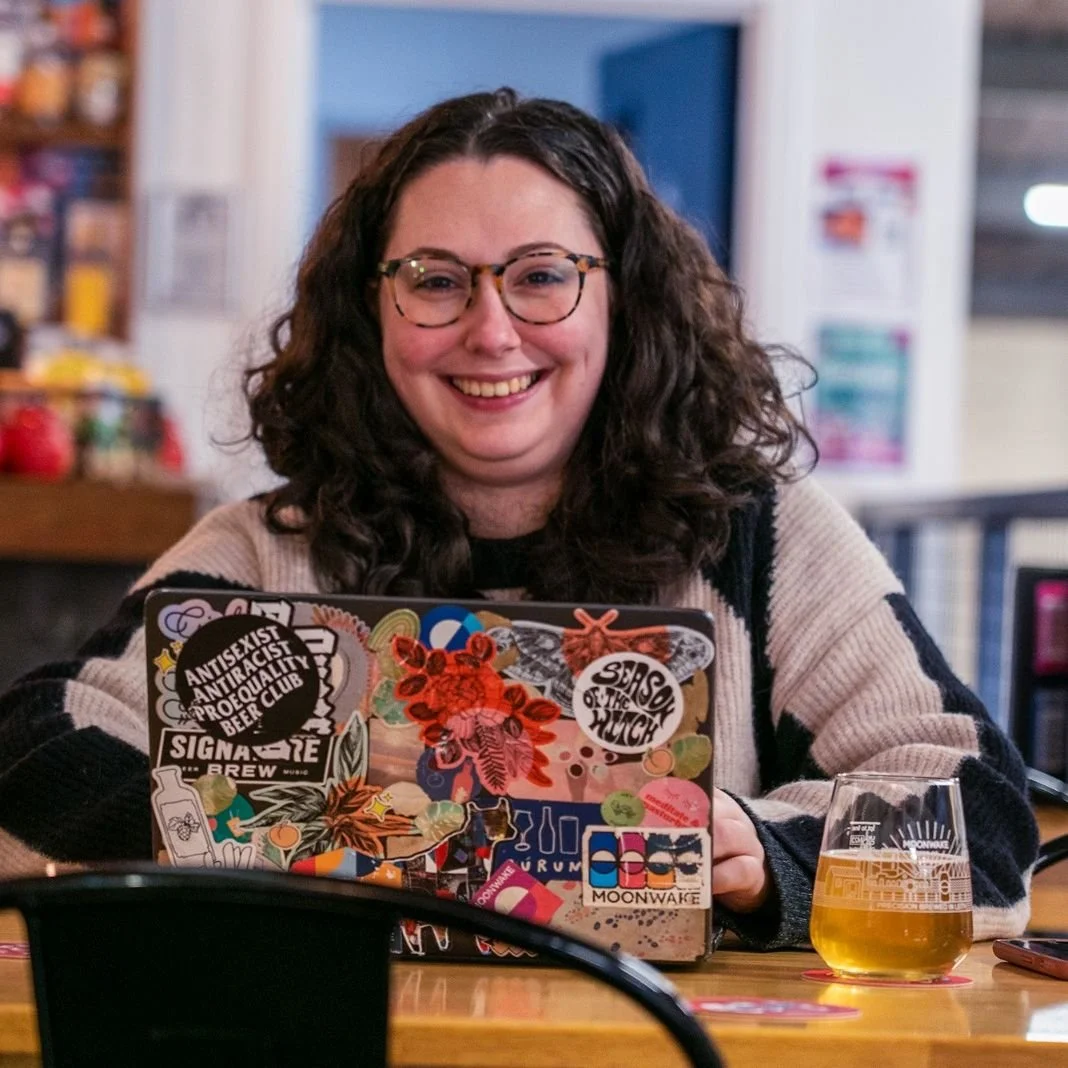
If your customers are trade buyers, the relationship is the channel. Not the website, not the deck, not the follow-up call. Buyers are busy, they don't want to jump on a call with you, and they'll make their minds up about you in person or not at all. So you have to be where they already are, and if you can't afford to buy your way in, you host your own thing instead.
That's cheaper than it sounds. Ours cost next to nothing and they were the most useful evenings we had.
I was marketing manager at Sellar, a tech business selling into craft drinks. Two customer bases, buyers on one side and makers on the other, and a team who knew software far better than they knew the trade. I'd spent nearly a decade in independent drinks by then, so a lot of what I brought was just knowing how those people think, what they're looking for, and how they talk about each other.
Why doesn't selling to the trade work over a call?
Because a call is a meeting, and a meeting is a thing someone has to set time aside for.
Trade buyers and drinks makers are running venues and breweries. They'll give you twenty minutes on the phone, be perfectly polite, and tell you nothing. Put them in a room with a beer in their hand and they'll tell you what they hate about your product, what they're buying next season, and what the last three reps got wrong.
We got more out of one evening of that than we'd have got out of loads of calls.
What do you do when you can't afford a trade show pitch?
We couldn't pay for pitches at all the main ones, and the ones we did pay for didn't return what we paid. So I had to get creative.
We were building the product with these people, so it seemed daft not to act like it and invite them to the table for real. That became Sellar Trade Nights. We popped up at our makers' taprooms, invited other makers along to run little pop-up stores, and asked every local trade buyer we could reach.
All of it on an absolute shoestring. A room somebody already had, products people already made, and an evening nobody groaned at having to attend.
Does an event like that actually pay back?
It did, and we set it up so we'd know either way. Targets on customer activation, ROI and product use, and we measured them afterwards. We saw sales growth from 70% of attendees.
The part I didn't expect was how much the relationship changed. People used the product more after coming to one, and they talked to us more. They loved realising we weren't robots, we were just people. After that they'd reply to an email and have a chat if they needed anything, and that gave us a permanent line into what to build next.
A quote from Tyne Bar: “this is what the trade needed, it’s the best trade event I’ve been to since 2017 - please do more of these”.
We got content out of it too, which is the sort of thing you can only shoot when everybody in the room is glad to be there.
How do you reach an independent buyer?
However they'll have you. Email, WhatsApp, Instagram, dropping in, standing next to them at an event. Whichever of those they'll answer on. None of it works without a person at the other end, because it's people buying off people.
Email did most of the lifting for us. Buyers live in their inboxes. They get trade mailers, that's how they buy things, and unless they're hunting for something specific it wouldn't occur to them to log on to a website. They get prompted. That's the whole mechanic, it's the prompting, and it's why I built the trade mailing list from nothing.
But it's more about having the ecosystem. Yeah, we built a mailing list, people were opening them, people were buying things. What made it work is that there's a face at the bottom of those emails and replies go to that person straight away, and then at the event that same person is running it, hosting it, and there to chat to.
It builds a community. It builds engagement. It builds an ecosystem where each bit drives the other, because now they're that bit more likely to open your next email as well.
What does knowing the category get you that a brief can't?
The small stuff, mostly, and the small stuff is what people notice.
I could fix things in the product that had annoyed me as a user, back when I was the one placing the orders or selling liquid. I could tell the team how a buyer prioritises, what a maker is proud of, what language sounds normal in the trade and what sounds like it came from outside. All of that went into the messaging.
It changed the social too. We made the content about people instead of about us telling you a beer is good, and the following doubled.
What does all of that add up to?
A strategy, eventually.
Every one of those conversations turned into something we could make decisions from, and it laddered up into a full brand refresh and a new website, built with a web agency. Planning the marketing got easy after that, because you had clarity.
That's the real return on standing in a room with your customers. Not the leads. The clarity.
If you're selling to the trade and all of it is happening through a screen, that's usually the gap. Get in touch and we'll work out what yours would look like.