I was the first hire at a brewery
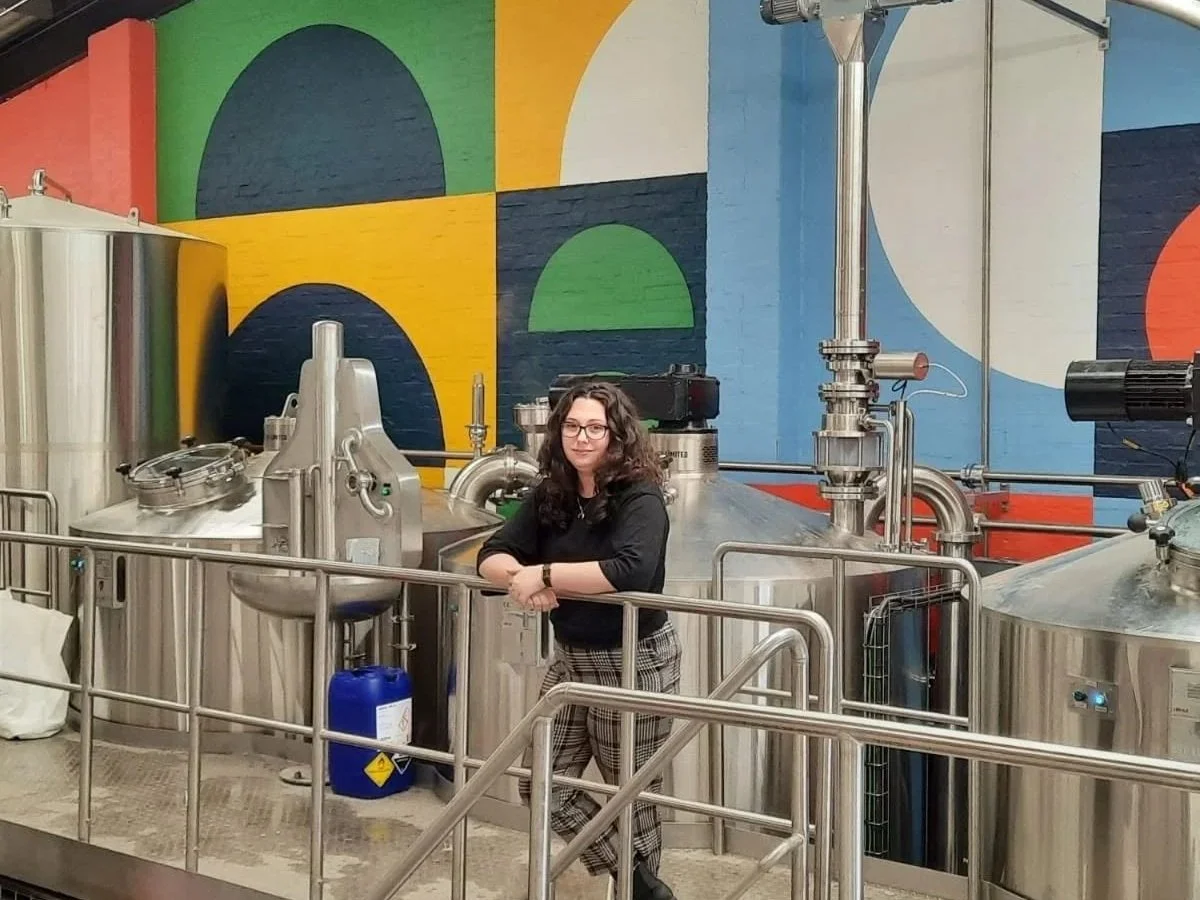
If you're building a food or drink brand from nothing, the first job isn't the logo. It's deciding who you're for, and then making that decision show up in every single place a person could meet you. The shelf in a shop. The bar of a venue that stocks you. The taproom. The sales sheet a buyer skims. The person behind the counter who has to describe you to somebody who's never heard of you.
Agree all that before there's product, and everything afterwards is faster and cheaper. That's what a first hire is for.
I joined Moonwake Beer Co. in Leith before there was any beer. Two brewers had founded it, the brewery was still a building site, and the country was still partly locked down, so a lot of the early thinking happened in brainstorming workshops over distanced coffees. There were four of us. We took it from nothing to over £3m in revenue across the taproom, direct to consumer and wholesale.
I'm still humbled to have been part of it. I pop in for a pint now and the team has changed almost completely, and I end up making friends with the new lot anyway. It's really cute.
What does marketing do before there's a product to sell?
Everything that isn't the beer.
I built the brand and marketing strategy from scratch, which in practice meant answering the questions two brewers were far too busy to answer. Who is this for. What does it look like. How do we show up and why. Where does somebody buy it. What do we want them to feel when they do.
None of that needs finished product to work on. All of it is much harder once there's stock in the warehouse and a taproom opening on Thursday.
Can a brewery appeal to enthusiasts and everyday drinkers at once?
We were going for a more approachable, pintable beer. We didn't just want to be craft beer for the geeks and we didn't want to gatekeep. We still brewed things that catered to them, because they're the people who'll cross a city for a one-off release. But we weren't going to alienate the general drinker, and we wanted to welcome the Leith community in.
That one decision reached a lot further than the liquid. It set what the taproom had to be: a really accessible, approachable place to come to, not just for beer geeks but for families, for people with dogs, for young professionals, for creatives. And that is what we achieved.
Leith Helles came out of the same thinking. A hyperlocal, neighbourhood-led identity for a gluten-free lager, and it went on to become the brewery's best-selling beer.
What makes a can stand out on a busy shelf?
Craft beer shelves are really busy. So I worked with a freelance graphic designer on an icon mark that held across the whole range, with the name of the beer sitting on it. However many of ours were lined up side by side, you knew they were Moonwake, and you could tell the style just by looking.
I made sure the ABV went on the front too. Nobody should have to open a fridge door and pick a can up to find the three things they actually want to know: what brewery it is, what kind of beer it is, and how boozy it is.
Then three tasting notes on every menu and sales sheet, with a bit of a description behind them. That's the education piece, and it's the one that gets skipped. Craft and independent premium food and drink has to justify its price point, whether that's the ingredients, the processes or the people behind it.
You've got to get that essence through every single brand touchpoint.
What happens to your brand once it leaves the brewery?
This is the part people forget about, and it counts for as much as anything in the taproom or online. How the cans show up in a shop, how the staff in that venue talk about the brand, and how a customer meets it standing there, is just as important as everything you control at home.
So we ran brand activations in the shops and venues stocking us. We trained venue teams, so the people selling it could talk about it. We brought trade customers into the brewery, which is our brand home, and let the place make the argument. And I built sales collateral good enough to make us memorable when the team first showed up on someone's doorstep.
All of that was done with the directors and the sales team, and kept commercially aligned.
What gets people through the door in the first place?
An events calendar you've built on purpose.
I had a lot of freedom to be creative in that job, and the makers' markets were one of those things that came out of it. Local makers in the taproom, the neighbourhood invited in, charity partners alongside. It gave the calendar a spine and it doubled revenue on key weekends. We picked our collaborations the same way, by location and complementary USP, so two audiences got to meet each other.
Where should you start?
If you're making something good and you’re not sure what to do, or if what you’re doing is actually working.
Get in touch and we'll work out.